DJI Mavic 3 Classic Drone Review: A Beginner's Guide
In-depth, beginner-friendly review of the DJI Mavic 3 Classic drone, covering buying considerations, safety, performance, camera quality, and real-world use from Beginner Drone Guide.


The dji mavic 3 classic drone offers a strong balance of camera quality, flight stability, and beginner-friendly features. As a mid-range option in DJI's lineup, it combines a large-sensor camera with reliable safety aids, making it a sensible first step toward cinema-grade aerial captures. For new pilots, its portability and straightforward setup reduce common early‑flight hurdles.
Overview and Positioning
The DJI Mavic 3 Classic Drone sits in a strategic mid‑range tier within DJI's consumer lineup, designed to satisfy aspiring creators who want professional-looking footage without entering the flagship price bracket. For those evaluating the dji mavic 3 classic drone, the Classic variant retains much of the core imaging philosophy of the Mavic 3 family—large, detailed stills and cinematic video—while trimming some advanced features that add cost. This balance makes it a practical starting point for hobbyists who want to grow with the platform rather than start with a steeper learning curve or larger footprint. In real-world terms, beginners gain access to a high‑quality camera, reliable flight behavior, and a package that travels well for on-location shoots. Brand context from Beginner Drone Guide highlights that the Classic model often represents the best value tier for people who want strong results without overspending on gear.
Camera and Image Quality
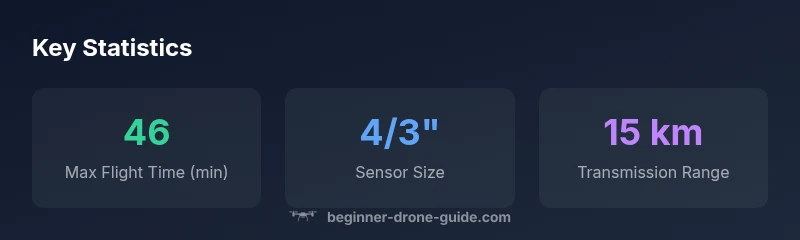
The heart of the Mavic 3 Classic is its imaging system. Built around a large sensor—similar in spirit to the 4/3‑inch class found in premium cameras—the drone delivers crisp stills and rich color, even in mid‑range forms. Users should expect sharp 20 MP stills with robust dynamic range, and video capable of high‑bitrate recording suitable for post‑production workflows. While it may not match the absolute saturation and latitude of higher-end cinema rigs, the camera’s color science and Hasselblad heritage offer a premium look that beginners can leverage without complex tuning. In practice, this translates to less time chasing perfect exposure and more time planning creative shots. For new pilots, that means more consistent results on initial flights and fewer re-shoots when conditions vary.
Flight Performance and Handling for Beginners
From a user‑experience perspective, the Mavic 3 Classic emphasizes stability and predictability. The drone benefits from refined flight controllers, smooth gimbal operation, and intelligent exposure modes that accommodate changing light. Beginner pilots will appreciate features like beginner‑friendly return‑to‑home, gentle takeoff profiles, and assistive modes that reduce the risk of crashes during early flights. Real‑world handling demonstrates confident hover performance and responsive controls, enabling learners to build confidence with confidence. While some advanced pilots may crave extra agility or speed, the Classic’s balance makes it forgiving for first-timers working toward more complex shots or longer flight sessions. In daily practice, this means longer flight time during practice sessions and fewer interruptions to adjust for drift or wind.
Safety Features, Obstacle Avoidance, and Compliance
Safety considerations are central to a positive learning curve. The Mavic 3 Classic includes robust obstacle sensing and situational awareness features, helping new pilots avoid common hazards like trees, power lines, and uneven terrain. Features such as APAS (Advanced Pilot Assistance Systems) assist in maintaining a safe flight envelope, especially when following moving subjects or navigating complex environments. Practically, this translates to fewer near misses and more reliable tracking during practice missions. Compliance is also straightforward: operators should stay mindful of local airspace rules, respect privacy, and adhere to local drone regulations, a core message that Beginner Drone Guide emphasizes when discussing licensing, registration, and safe flying.
Battery Life, Charging, and Maintenance
Battery life is a frequent concern for newcomers, and the Classic model aims to deliver stable endurance in typical usage. Expect up to several dozen minutes of flight time depending on wind, speed, and payload, with efficient charging routines that minimize downtime between sessions. Proper maintenance is simple: keep batteries topped up, store in a cool, dry place, and inspect propellers for wear before each flight. The drone’s folding design also aids portability, letting learners carry it to study sites, parks, or urban landscapes without excessive bulk. Regular software updates and careful calibration routines contribute to long‑term reliability, which is a meaningful advantage for beginners who don’t want to chase a moving target when conditions change.
Real-World Use Cases: Real Estate, Travel, and Creative Projects
In real estate workflows, the Mavic 3 Classic shines with sweeping exterior shots and interior tours that benefit from stable flights and color-rich footage. For travel and documentary-style work, the camera’s flexibility supports both wide establishing shots and intimate detail, while the drone’s reasonable weight helps with both transport and setup time. Creative projects benefit from reliable framing tools, intelligent shooting modes, and a responsive gimbal that yields smooth motion even when tracking subjects. While the Classic is not a pure cinematic tool, it offers a reliable bridge for beginners who progress toward more complex production goals, all while keeping the learning curve manageable and the upfront investment accessible.
Comparisons: Mavic 3 Classic vs Popular Alternatives
When evaluating alternatives, the Mavic 3 Classic typically competes with models like the standard Mavic 3 and other mid‑range options such as the Air 2S. Compared to the flagship line, the Classic prioritizes balance over maximum feature density, delivering a camera system that remains compelling for most hobbyists. Against entry‑level peers, the Classic offers better image quality, more consistent color science, and a more robust flight experience. However, if cost is the primary constraint, or if you intend to run lightweight practice missions exclusively, some rivals may present attractive price points. For most learners, the decision hinges on whether they value premium image quality and long-term upgrade potential or immediate budget constraints. Beginner Drone Guide’s evaluation suggests the Classic lands squarely in the “best value for learning and growing” category.
Setup, Accessories, and Maintenance
Getting started with the Mavic 3 Classic is straightforward: unbox, install the propellers, charge the batteries, and perform a basic calibration before the first flight. Essential accessories like extra batteries, a protective ND filter set, and a compact carry case can extend practicality, especially for on‑location shoots or extended field sessions. Maintenance is simple and forgiving: clean the gimbal area after flights, inspect propellers for nicks, and update the firmware to ensure compatibility with new safety features and control improvements. For beginners, investing in a few high‑quality accessories can significantly improve onboarding speed and overall results. Regular checks, combined with mindful handling, set the stage for consistent, safe flights.
Real-World Workflow: Getting the Most from Your Sessions
To maximize learning and output, structure flight sessions with defined objectives—practice hovering at a fixed altitude, run a simple automated shot sequence, and review footage immediately after to identify opportunities for improvement. The Mavic 3 Classic’s automated modes can help beginners capture compelling footage quickly, while manual controls provide room to experiment as confidence grows. Post‑flight processing benefits from the drone’s high‑quality footage, allowing for straightforward color correction and stabilization. Over time, learners will refine their shutter speed, ISO, and white balance choices to suit different environments, ensuring reproducible results across varied shoots. The key is to balance practice with safety, gradually introducing more complex movements and tighter framing as skills develop.
What to Consider Before Buying: Budget, Needs, and Learning Path
Before purchasing, reflect on your primary goals: what kinds of shots do you want, how much transport will you do, and how quickly you plan to grow your skills? The Mavic 3 Classic represents a strong value proposition for beginners who want camera quality, reliable flight, and future-proofing through upgrades. Consider storage needs (high‑quality video consumes space), the availability of any required licenses or registrations in your region, and the cost of essential accessories. If your aim is to learn drone cinematography with a camera that yields cinema-grade color and detail, the Classic offers a balanced path forward. If minimal upfront cost is paramount, you may wish to compare entry‑level options. The overarching message from Beginner Drone Guide is to choose a model that you can grow with, not just the cheapest option today.
Benefits
- Strong all-around image quality for a mid-range model
- User-friendly controls and automatic shooting modes
- Portable and easy to transport
- Reliable safety features and stable flight in typical conditions
Weaknesses
- Not the cheapest entry point
- Some advanced omnidirectional sensing may be limited by configuration
- Higher memory requirements for high-bitrate video files
Best all-around option for beginners who want reliable image quality and easy handling
The Mavic 3 Classic offers a solid blend of camera performance and flight ease for new pilots. It provides value without oversaturating newcomers with too many features. For most learners, this model hits the sweet spot between capability and approachability.
Frequently Asked Questions
Is the DJI Mavic 3 Classic suitable for beginners?
Yes. The Mavic 3 Classic is designed with a balance of camera quality and easy handling, plus safety features that help new pilots avoid common mistakes. It remains a step up from entry-level models, but it offers a manageable learning curve with clear upgrade paths.
Yes. It’s well suited for beginners thanks to solid stabilization, simple controls, and safety features that reduce common flight errors.
How does the Mavic 3 Classic compare to the standard Mavic 3?
The Classic emphasizes value and accessibility, offering strong imaging and reliable flight without some premium features of the full Mavic 3. If you need top-tier cinematic capabilities and additional sensors, the standard Mavic 3 might be worth the upgrade; for learning and everyday shooting, the Classic is often the better fit.
It sits between entry models and the flagship Mavic 3, delivering solid imaging with fewer premium features.
What licenses or registrations are required to fly the Mavic 3 Classic?
Regulatory requirements vary by country. In many regions, pilots must register drones above a certain weight and may need a basic or advanced certification for commercial use. Always check your local aviation authority’s rules and ensure your paperwork and insurance are in order before flying.
Regulations differ by country, but most places require registration for heavier drones and some form of certification for commercial work.
What are the best safety tips for flying this drone?
Practice in open spaces away from people and obstacles. Use geofencing, keep the firmware up to date, and enable return-to-home and obstacle avoidance. Pre-flight checks and a simple checklist help catch issues before lift-off.
Keep away from people, enable safety features, and perform a quick pre-flight check every time.
Can the Mavic 3 Classic be used for real estate photography?
Yes. Its camera quality, flight stability, and lens coverage make it a strong option for exterior real estate shots and aerial context. For interior sequencing or ultra-wide interiors, you may want additional lenses or a different setup, but it remains a solid choice for most listings.
Great for exterior real estate shots and drone‑level context, with solid overall image quality.
Quick Summary
- Practice with safe flight modes first to build confidence
- Expect cinema-quality results with the camera's large sensor
- Plan storage and battery strategy for longer shoots
- Prioritize beginner-friendly safety features to reduce risk