Are Zero X Drones Good? A Beginner's Review
A comprehensive, balanced review of Zero X drones for beginners, covering usability, safety, battery life, camera quality, and how they compare to other entry-level options.


When you ask whether are zero x drones good, the short answer is: for beginners they tend to be a solid entry point. They usually prioritize stable flight, simple controls, and basic safety features, with a learning curve that’s gentler than higher-end models. However, value varies by build quality, service, and battery life.
What Zero X Represents in the Entry-Level Drone Market
Zero X is often discussed as a line of budget-friendly drones targeted at first-time pilots. In practice, the label covers a range of models with varying features and build quality. When evaluating whether are zero x drones good for your learning journey, think about stability, ease of use, and the availability of spare parts. This section sets the stage for a deeper look at performance, safety, and value across the lineup. For most beginners, the key questions are: does the model stay stable in light winds, is the control response forgiving, and can you easily replace worn parts after a crash?
Are Zero X Drones Good? An Evaluation Framework
The question of whether are zero x drones good requires a structured approach. We evaluate based on five pillars: stability and control, safety features, learning curve, maintenance practicality, and value over time. By framing the inquiry this way, readers can compare Zero X to other entry-level options without getting lost in marketing language. For beginners, the most relevant metrics are how quickly you can achieve controlled flights, how forgiving the aircraft is when you drift or misjudge a landing, and whether ongoing support and parts are readily available.
Build Quality and Durability: Does It Stand Up to Beginner Use?
Durability matters more when you’re learning. Entry-level Zero X models generally emphasize lightweight frames and simple components designed to absorb minor crashes. You should inspect prop guards, landing gear, and motor housings for resilience. A common lesson in are zero x drones good discussions is that cheap plastics crack more easily, so check replacement part availability and cost before committing. In practice, users should invest in basic spares (propellers, guards) and practice controlled landings on forgiving surfaces to minimize breakage while learning. This block highlights how material choices influence long-term satisfaction for new pilots.
Flight Performance: Stability, Control, and Modes for Beginners
Flight performance is the heart of are zero x drones good evaluations. Beginners benefit from altitude hold, GPS-assisted stabilization (where available), and headless mode, which reduces orientation confusion. Smooth motor response and predictable yaw help new pilots recover from excursions. Some Zero X variants offer beginner presets that cap speed and sensitivity, making it easier to keep the craft within a safe learning envelope. While you don’t get cinema-grade agility at this price, the emphasis should be on steady, confidence-building flights rather than aggressive stunts. This section explains what to expect and how to practice for improving stability.
Safety Features and Learning Curve
Safety features are critical when assessing are zero x drones good choices for novices. Look for propeller guards, return-to-home (or hover-to-home) functions, and clear indicators for low battery or disconnection. An approachable learning curve means you’ll benefit from automatic stability aids and straightforward calibration steps. If a model lacks basic guards or uses aggressive accelerations, it risks turning a first flight into a tumble. The best beginner options provide a balance between protective features and realistic flight feedback to teach correct piloting habits without shouty alarms.
Battery Life and Charging: Real-World Expectations
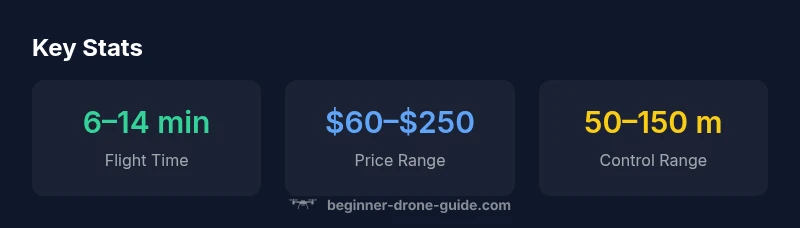
Battery life is a practical bottleneck for beginners. Most entry-level Zero X drones offer modest flight times, commonly in the 6–14 minute range depending on model and flight conditions. Real-world use—wind, payload (if any), and aggressive maneuvers—can shorten this further. Consider purchasing extra batteries and a 2-bay charger to minimize downtime between sessions. For learning rookies, frequent, short practice flights are better than long, draining sessions. This section provides guidance on optimizing charging, storage, and battery health to extend usable time.
Camera and Visual Capabilities in Entry-Level Drones
Camera quality is often a secondary priority for true beginners, but it can influence motivation and progression. Zero X drones in the entry tier typically offer modest image quality and fixed focal length lenses. For a hobbyist who wants simple footage of family moments or basic aerial shots, a dependable, stabilized feed helps beginners build confidence. When evaluating whether are zero x drones good from a photography perspective, consider whether the camera supports digital stabilization, basic gimbal-like behavior (if any), and straightforward transfer of media. High-end video or professional-grade settings are usually out of scope at this price point, so set expectations accordingly.
Range, Transmission, and Reliability
Low-cost drones typically trade range for affordability. In many Zero X models, the effective control range is sufficient for indoor practice and small outdoor spaces. A conservative expectation is to fly within a few dozen meters in urban or cluttered environments. Line-of-sight operation rules apply, and interference from Wi-Fi networks or nearby devices can affect transmission stability. The key takeaway is that reliability at this tier means predictable, mid-range control rather than long-distance exploration. If you foresee needing more range later, plan for a model with stronger RF systems.
Software, App Experience, and Updates
Software quality can make or break the user experience. Beginner-friendly apps should emphasize intuitive pairing, simple calibration, and clear failure messages. Frequent, stable firmware updates add safety and new features without complicating controls. When assessing are zero x drones good, consider how active the app ecosystem is—video tutorials, community forums, and spare parts support matter. A poor app experience can frustrate beginners long before performance hurdles appear, so prioritize software that guides you through setup, flight practice, and ongoing calibration.
Price, Value, and What You Pay For
Price is the immediate, tangible factor in the equation about are zero x drones good. Entry-level Zero X drones typically fall into a budget-friendly range, making them accessible to most new pilots. The value proposition hinges on how well the drone teaches fundamentals, how easy it is to find spare parts and service, and how long you stay engaged before upgrading. If you want a low-risk path to learning and can accept limited advanced features, these drones can be a prudent first purchase. If your goal is long-term growth into advanced piloting, you’ll likely outgrow them sooner.
Zero X vs. Competitors: How It Stacks Up
In the crowded entry-level market, are zero x drones good when compared to other beginner options? The comparison often hinges on weight, durability, and the availability of spare parts. Some competitors may offer longer battery life or more robust guards; others provide lighter frames or simpler controls. The verdict depends on what you value most: learning curve, cost of ownership, or upgrade path. This section gives a framework for comparing against a few well-known budget lines so readers can decide what matters most to them.
Getting Started: Buying, Licensing, and Support
Finally, are zero x drones good as a starting point when you plan to buy? Start with a shortlist of models that emphasize safety, spare-part availability, and reputable customer support. Before purchasing, check local regulations, ensure you can legally operate in your preferred spaces, and verify the presence of a trained support network or community. After purchase, allocate time for setup, calibrations, and basic flight practice in a safe open area. Establish a learning plan, monitor battery care, and maintain a rescue mindset for issues that arise during initial sessions.
Benefits
- Low upfront cost for entry-level pilots
- Stabilized flight and beginner modes
- Compact and portable
- Strong community support and tutorials
Weaknesses
- Limited long-term performance vs mid-range models
- Shorter battery life and flight duration
- Inconsistent quality across low-cost variants
- Fewer advanced features and sensors
Best for true beginners who want safety and quick learning without a steep price tag
Zero X drones excel at teaching fundamentals with forgiving controls and accessible maintenance. They’re a solid starting point for newcomers, provided you verify parts availability and set realistic expectations for range and battery life.
Frequently Asked Questions
What is Zero X?
Zero X refers to a line of entry-level drones designed for beginners, emphasizing ease of use, stable flight, and affordability. Model specifics vary, so check features before purchase.
Zero X is a beginner-friendly drone line designed for easy操控 and safety.
Are Zero X drones good for beginners?
Yes, for many beginners they offer forgiving flight characteristics, simple controls, and accessible repairs. However, performance and support vary by model, so compare specs and reviews.
Yes, they're usually a good starting point for newbies, but compare models first.
What features should I look for in a beginner drone?
Prioritize stable flight, altitude hold, GPS or barometer stabilization, propeller guards, easy calibration, and reliable battery life. A simple app with tutorials helps a lot.
Look for stability, safety features, and easy repairs.
Do I need a license to fly a low-cost drone?
Licensing requirements vary by country. In many places, small drones under a weight threshold don’t require piloting licenses, but you may need registration and to follow local rules.
Licensing depends on where you fly; check local rules.
How long do Zero X drones last on a charge?
Most entry-level drones offer 6–14 minutes of flight per charge in typical use, depending on payload and flying style. Carry spare batteries for longer sessions.
Typically around 6 to 14 minutes per charge.
How should I maintain a beginner drone?
Keep blades intact, calibrate compass as recommended, update firmware, store batteries properly, and inspect props for wear after every session. Clean sensors to maintain stability.
Maintain blades, calibrate sensors, and update firmware regularly.
Quick Summary
- Prioritize stability and beginner presets for quick progress
- Plan for multiple short practice sessions to build confidence
- Check spare parts availability and local repair options
- Compare against mid-range models to assess long-term value
- Practice in open spaces and follow safety guidelines