How to Handle Remote ID on Drones: A Compliance Guide
Learn legal, safe alternatives to removing Remote ID from drones, including compliance steps, registration, and how to verify rules for your area in 2026.


Removing remote ID from a drone is illegal or restricted in many jurisdictions. I cannot assist with instructions to disable Remote ID. This guide focuses on legal, safe alternatives: verify your local rules, ensure your drone’s firmware supports Remote ID or upgrade as needed, register if required, and follow manufacturer guidelines for compliant, safe flight.
Legal reality and why remote ID exists
According to Beginner Drone Guide, removing remote ID is generally illegal or restricted in most jurisdictions. If you're wondering how to remove remote id from drone, this article explains why it's not allowed and what to do instead. Remote ID exists to enhance safety, accountability, and airspace management, and regulators enforce it to protect people and property. In many places, the Remote ID requirement is part of a broader airspace safety framework that helps identify aircraft in flight. If you’re tempted by the idea of skipping Remote ID, you’re risking fines, flight bans, and insurance denial. Instead, learn how to stay compliant by understanding the rules, your drone’s capabilities, and the tools available from manufacturers and regulators.
Key terms you'll encounter include Remote ID broadcast, UAS, registration, and exemptions. We'll cover practical steps, common myths, and pointers tailored for beginners so you can fly smarter, safer, and with confidence. This is not legal advice; always consult local authorities.
How Remote ID works (simplified)
Remote ID broadcasts a drone’s unique identifier, location, altitude, and velocity to nearby observers via a wireless signal. That data is accessible by authorities and, in some cases, by other pilots or flight-applications depending on the system. Understanding that this is a safety and accountability feature helps you plan compliant flights. Not every drone includes the same broadcast range, privacy protections vary by region, and some devices require mobile internet and a registered account. For beginners, the core idea is that your drone will share a beacon that helps identify it during flight.
When Remote ID is legally required
The Remote ID requirement typically applies to most drones that fly in controlled airspace or above certain weight thresholds. Regulations differ by country and sometimes by city. In the U.S., for example, Remote ID is required for many drones operated outdoors, and failure to comply can lead to enforcement actions. Always check your local aviation authority’s guidance for flight in your area, including registration eligibility, testing periods, and exemptions. This section emphasizes that compliance is not optional if you intend to fly publicly or for work.
Scenarios where removing Remote ID is not permitted
There is little practical or legal justification for trying to disable Remote ID, and few legitimate scenarios allow such a modification. In most jurisdictions, doing so can violate federal, state, or local laws, void insurance coverage, and invalidate warranties. This section describes common misconceptions and what regulators typically expect, including the idea that Remote ID removal might be permissible in private land or research contexts. Always seek authorized exemptions through official processes instead of attempting manual disassembly.
Safer alternatives to removal: enabling, registering, exemptions
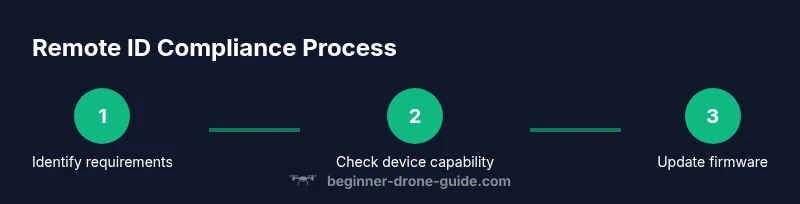
If your drone lacks Remote ID capability, you may need to upgrade to a compliant device, enable a built-in Remote ID mode if supported, or use regulatory exemptions where available. Registration and ongoing compliance checks are part of the process, along with keeping firmware up to date. We outline practical steps for beginners: verify model compatibility with Remote ID, create or link your registration account, install any required firmware updates, and ensure your flight plan complies with local rules. These steps keep you and others safe while enabling legitimate operations.
How to check if your drone supports Remote ID
Start by checking the user manual, manufacturer support site, or the drone’s app for Remote ID capability. Many recent models include a on-device toggle or setting to enable or disable the Remote ID broadcast depending on the region. If your drone is older, you may need to upgrade hardware or switch to a model that offers built-in compliance features. Always confirm your country’s rules before turning on Remote ID features in flight.
How to update firmware or configure Remote ID settings
Firmware updates often add or improve Remote ID support, privacy controls, and stability. Before updating, back up settings and ensure your device is connected to a stable internet connection. Follow official update procedures from the manufacturer to avoid bricking the drone. After updating, verify that Remote ID broadcasts correctly in the legal country and region you’re flying in, and test with a local regulator-approved flight app if available.
Planning flights: privacy and airspace considerations
Beyond Remote ID, consider privacy and airspace when planning flights. Start with a pre-flight checklist that includes weather, line of sight, geofencing activation, and nearby airports or helicopter routes. Use beginner-friendly flight apps that display airspace restrictions and remote ID status. Respect others’ privacy by avoiding overflown private property and by using broadcast-safe altitude limits. These steps help you stay compliant and confident.
Tools and resources to stay compliant
Collect the essential references you’ll rely on: your local aviation authority, aircraft registration portals, drone manufacturers’ Remote ID guidance, and reputable safety organizations. Bookmark the official Remote ID page for your region and subscribe to updates on changes in rules. In addition, join community groups for beginners where you can share experiences and learn from peers who practice responsible flight.
Case studies and real-world examples
This section presents short, anonymized scenarios showing how beginners successfully navigate Remote ID compliance, upgrades, and registration while staying within the law. Examples include starting with a compliant trainer drone, upgrading to Remote ID-capable models, and obtaining any necessary exemptions through official channels. These stories illustrate practical decisions and the value of proactive compliance.
Quick-start checklist for compliance
- Confirm regional Remote ID requirements for your country and region
- Verify drone model supports Remote ID and enable it if required
- Create or link your registration account and renew as needed
- Update firmware to the latest version from the manufacturer
- Practice pre-flight checks including airspace awareness and privacy considerations
- The Beginner Drone Guide team recommends staying compliant with Remote ID rules and using manufacturer tools for safe operations.
Tools & Materials
- Drone with Remote ID capability(Check that it broadcasts the required ID data in your region)
- Smartphone or tablet with internet(For registration and remote updates)
- Official registration account (if required)(Create before your first flight)
- Manufacturer’s Remote ID guide(To follow region-specific steps)
- Latest firmware update(Ensure Remote ID features are up to date)
- Approved flight apps or regulator tools(May help visualize airspace and Remote ID status)
Steps
Estimated time: 45-90 minutes
- 1
Verify regional Remote ID requirements
Consult your national aviation authority and local regulations to confirm whether Remote ID is required and what data is broadcast. This ensures you don’t attempt prohibited modifications.
Tip: Start with the regulator’s official page to avoid outdated information. - 2
Check drone model for Remote ID support
Review the user manual or manufacturer site to determine if your drone includes Remote ID transmission or a toggle in the app.
Tip: If your drone predates Remote ID, consider upgrading to a compliant model. - 3
Register your drone if required
Create or link your manufacturer and regulatory registration accounts as required by your region to verify ownership and eligibility.
Tip: Keep your registration number accessible during flights. - 4
Update firmware and enable Remote ID (if applicable)
Install the latest firmware and configure Remote ID settings according to official guidance, ensuring you’re compliant before flying.
Tip: Back up configurations before updating. - 5
Run a pre-flight compliance check
Use a flight app to verify airspace restrictions, proximity to airports, and Remote ID status before takeoff.
Tip: Set the aircraft in a safe takeoff area. - 6
Practice safe, compliant flight
Fly within visual line of sight, respect privacy, and follow local noise and altitude limits. Document issues if Remote ID fails.
Tip: If Remote ID isn’t broadcasting, pause flight and re-check settings. - 7
Review and archive flight data for compliance
Maintain logs of flight times, locations, and regulatory confirmations to support any audits or inquiries.
Tip: Store data securely and in a retrievable format.
Frequently Asked Questions
Is it legal to remove Remote ID from a drone?
In most places, removing Remote ID is illegal or restricted. This article explains compliant alternatives and how to stay within the law.
Removing Remote ID is generally not allowed; follow official guidelines for compliance.
What should I do if my drone lacks Remote ID?
If your drone lacks Remote ID, you may need to upgrade to a compliant model or enable Remote ID features if supported by the manufacturer. Check local rules.
If your drone doesn’t have Remote ID, upgrade or enable compliant features as directed by the manufacturer.
How do I register my drone for Remote ID compliance?
Register through your country’s aviation authority or the manufacturer’s portal as required. Keep confirmation and numbers accessible during flights.
Register via the official portal and keep your ID handy during flights.
Can I obtain an exemption to Remote ID requirements?
Exemptions exist in some regions for specific use cases; apply through official channels and wait for approval before flight.
Exemptions are region-specific; apply through official processes.
Where can I find the official Remote ID rules for my area?
Start with your country’s aviation authority website and the drone manufacturer’s Remote ID guidance page for up-to-date rules.
Check the regulator’s and manufacturer’s Remote ID guidance pages for your area.
What are best practices for safe Remote ID operation?
Keep firmware updated, perform pre-flight checks, and respect privacy and airspace restrictions to ensure safe, compliant flights.
Stay updated and check airspace before every flight.
Watch Video
Quick Summary
- Comply with regional Remote ID requirements at all times
- Upgrade or enable Remote ID features before flying
- Register and maintain flight logs for transparency
- Use official resources to verify airspace and privacy rules
- Don’t attempt to disable Remote ID; seek authorized exemptions if available