Where Do Drone Bees Live? A Beginner Beekeeping Guide
Explore where drone bees live, from hive drone brood to outdoor mating areas, with practical, beginner-friendly guidance on housing, behavior, and seasonal changes.


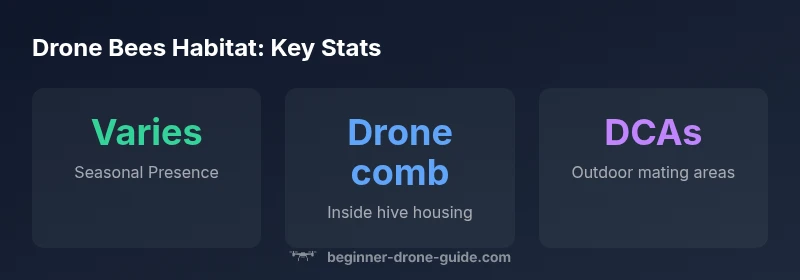
Drone bees live primarily inside the hive, in dedicated drone brood cells and combs, especially during spring and summer. When mating season arrives, drones fly to outdoor drone congregation areas to mate with virgin queens, after which they usually die or are expelled as winter approaches. Understanding their life cycle helps beekeepers support colony health and manage mating flights safely.
Where do drone bees live
If you’re wondering where do drone bees live, the short answer is: mostly inside the hive, where they reside in drone-specific brood cells and dedicated drone comb areas. In many healthy hives, these spaces sit within the brood nest, often near the center of the frame where worker bees can regulate temperature. For beginners, the phrase drone bees live in the hive is not about a single room, but a network of drone-friendly spaces. Observing these areas during routine hive checks can give you a sense of colony balance and the seasonality of drone production. According to Beginner Drone Guide, drones are produced in response to colony needs, and their presence is a visible signal of brood development and mating readiness. Keeping an eye on drone brood frames can help you gauge how well your queen is laying and whether your colony has sufficient drone-producing capacity for successful mating in the right season. For many hobbyists, answering the question where do drone bees live isn't just curiosity—it's a practical clue to overall hive health and energy allocation during peak activity.
Inside the hive: drone brood and drone frames
Within the hive, drone bees hatch from eggs laid in specialized drone cells. These cells are larger than worker cells and are typically arranged in drone frames or designated areas of the brood nest. Worker bees invest time and resources into feeding and caring for drone larvae, so the health of drone brood mirrors the colony’s vitality. Housing drones is not about keeping them penned away; it’s about providing the environment they need to develop properly. For beginners, look for expanded drone brood in late spring as a sign that your hive is actively planning for mating season and that your queen is laying at a pace that supports drone production. Understanding where do drone bees live inside the hive helps you interpret brood patterns and anticipate seasonal shifts in drone numbers.
Outdoor mating: drone congregation areas (DCAs)
A crucial component of drone life is mating, which occurs in outdoor drone congregation areas (DCAs). Drones leave the hive to gather in these DCAs, where virgin queens also fly to mate. The DCAs are located in landscapes with favorable wind and air movement, and they are typically away from the hive to protect the brood. For novices, remember that not all drones return; only a portion succeed in mating, while others perish or are expelled as the colony prepares for winter. This dynamic is a natural part of honey bee reproduction and highlights why drone production fluctuates seasonally. When you study where do drone bees live, you’ll see how mating flights are a separate but essential thread in the life of the colony.
Seasonal dynamics: how drone housing changes through the year
Seasonality plays a major role in where drone bees live. In spring and early summer, drone production ramps up, and drones occupy more drone brood cells while DCAs begin to attract a larger number of males for mating flights. As autumn approaches and nectar flows slow, colonies reduce drone numbers and workers may cap drone brood or send drones into lower-energy states. For beginners, this seasonal rhythm is a practical cue: if you see a lot of drone brood in late spring, expect mating activity to follow in early summer. The Beginner Drone Guide Analysis, 2026 notes that the drone life cycle is tightly linked to the colony’s reproductive strategy, which matters for planning hive management and inspections.
Common myths about drone housing
A common myth is that drones linger outside the hive year-round; in reality, most are produced during warm months and exit the hive for mating flights. Another misconception is that drone bees are aggressive or have stingers; drones actually lack stingers and pose little risk to keepers—though their presence should still be monitored for colony balance. By understanding where drones live and how they move, beginners can avoid unnecessary disturbances during mating flights and focus on the colony’s health during essential seasons. This is why knowing where do drone bees live helps you plan visits without disrupting critical behaviors.
Practical tips for beginners observing drone bees
For hobbyists, safe observation is key. When opening a hive, minimize vibrations and use slow, deliberate movements to avoid stressing the colony. Identify drone-specific frames by looking for larger brood cells and a concentration of drones in certain parts of the brood nest. Use a DSLR or phone camera to document drone brood development, and note the time of year to map seasonal changes. Remember: the goal is to learn about the drone population without disrupting the colony’s normal routines, especially during mating season. If you’re asking where do drone bees live, this practical approach helps you connect the theory to real-world hive management.
How to observe drone bees safely and effectively
If you’re new to beekeeping, establish a routine visit plan that includes checking drone brood frames and the general health of the hive. Wear protective gear and avoid heavy scents that can irritate bees. Safe observation also means keeping a respectful distance during mating flights and never attempting to handle drones or queens during DCAs. By keeping to safe practices, beginners can gain valuable insights into drone behavior without compromising colony health. For those curious about where do drone bees live, remember that safe handling and mindful observation are key to preserving both your learning and the hive’s well-being.
Drone bee housing and lifecycle at a glance
| Aspect | Location/Environment | Notes |
|---|---|---|
| Drone development | In capped brood cells inside the hive | Drones develop from eggs under worker care |
| Housing location | Drone comb areas within the hive | Drones stay in drone frames until mating season |
| Mating behavior | Outdoor DCAs (drone congregation areas) | Mating flights occur away from the brood nest |
Frequently Asked Questions
What are drone bees?
Drone bees are the male honey bees whose primary role is to mate with queens. They do not collect nectar or defend the hive, and their presence is a seasonal part of colony dynamics.
Drone bees are the male honey bees whose job is to mate with queens; they don't collect nectar, and their numbers rise during mating season.
Do drones live in the hive year-round?
Drones are typically produced in the spring and summer and spend most of their lives within the hive's drone brood or exit to DCAs for mating. They are less common in winter when colonies reduce drone production.
Drones are mostly produced in warm months and may leave the hive for mating; they’re less common in winter.
Where do drones mate?
Drones mate in outdoor drone congregation areas (DCAs) where virgin queens also fly to mate. These areas are set up by environmental conditions and are away from the hive.
Drones mate in outdoor drone congregation areas away from the brood nest.
Can drone bees sting?
Drones do not have stingers and cannot sting. They pose little direct threat to keepers, though they are part of the colony’s mating cycle.
Drones don’t have stingers, so they can’t sting you, but you should still treat the hive with respect.
How can I observe drones safely?
Wear protective gear, limit hive disturbance, and observe the drone brood frames from a respectful distance. Document seasonal changes without interfering with mating flights.
Wear protection and watch from a distance; avoid disturbing mating flights.
What happens to drones in winter?
As temperatures drop, colonies reduce drone production and may eject drones. Drones that cannot mate may not survive the winter.
In cold months, many drones are not produced, and some may not survive the winter.
“Drones are an essential part of honey bee reproduction, and understanding their housing helps new beekeepers support healthy colonies.”
Quick Summary
- Observe drone brood to gauge seasonal activity
- Drone combs indicate colony readiness for mating
- Mating flights occur in DCAs, not inside the hive
- Seasonal dynamics affect drone presence and colony energy