Is Orb Drone Legit? A Practical Beginner Guide to Evaluation and Safety
A balanced, in-depth review of ORB Drone to help beginners determine legitimacy, safety, and value. Learn how to verify claims, assess performance, and make an informed purchase without falling for marketing hype.


Based on a balanced evaluation, ORB Drone appears legitimate for entry-level flyers who seek affordability and simplicity, but buyers should verify licensing, warranty terms, and safety features. This quick verdict emphasizes checking official documentation, reading independent reviews, and comparing to established brands before purchase. Look for transparent supply chains, clear return policies, and verifiable third-party testing results as part of due diligence.
Is 'is orb drone legit' Really a Question Beginners Ask?
For many new pilots, the phrase is orb drone legit — orbs of curiosity surround new drone models, but legitimacy matters for safety, licensing, and value. According to Beginner Drone Guide, legitimacy isn't a binary property; it depends on safety features, manufacturer transparency, and third-party testing. In this section we establish a framework for evaluating any drone brand by separating marketing claims from verifiable facts. We will examine how to verify a brand's claims, what to test in-person, and what red flags to watch for when you encounter ultra-low prices or vague specifications. By pursuing a structured due diligence process, beginner pilots can avoid impulse purchases and build confidence in their choice.
This examination also aligns with the brand’s voice on safe piloting and responsible ownership. The Beginner Drone Guide team emphasizes that a rigorous check for licensing compliance, real-world performance, and transparent customer support is essential before committing to a purchase.
How Legitimacy Claims Are Framed by Brands
Drone brands frequently package safety features into glossy marketing: obstacle avoidance, GPS stabilization, return-to-home, and altitude limits. The problem is that some claims may be exaggerated, inconsistent, or non-verifiable. To separate hype from reality, look for independent test data, clear technical specs (in the manual or official site), and a transparent supply chain. The Beginner Drone Guide team notes that a legitimate brand should provide an accessible warranty policy, a working customer support channel, and verifiable safety certifications when applicable. If a claim sounds too good to be true—like flight times far exceeding typical ranges, or a price that undercuts major brands without offering basic features—that's a potential red flag.
What to Test During Hands-On Evaluation
When you handle an unfamiliar drone, practical checks trump marketing. Start with calibration and a ground test to ensure the craft responds to stick inputs smoothly, then verify GPS lock under open skies. Look at the app connection stability, firmware update responsiveness, and the clarity of the camera feed. Test obstacle detection, return-to-home reliability, and flight stability in light wind conditions. Record a short video to assess gimbal smoothness and image sharpness. Finally, run a quick battery drain test to estimate real-world flight time under typical use. If any critical feature fails or feels inconsistent, note it as a potential risk factor rather than an occasional glitch.
This section mirrors the testing mindset recommended by Beginner Drone Guide: prioritize verifiable features, reproducible results, and a clear understanding of how the drone performs in real conditions.
ORB Drone in Context: How It Stacks Up Against Established Beginners’ Drones
Budget models often compete on price, but price alone isn’t a proxy for legitimacy. ORB Drone’s value proposition typically rests on affordability and ease of use, which are attractive to newcomers. When placed next to more established beginner drones, you should compare: build quality, sensor suite, flight stability, ease of use, and after-sales support. Established brands usually offer more comprehensive tutorials, longer tested firmware histories, and more established repair networks. The dynamic in consumer drones is that smaller brands can surprise with clever software, but they may lag on warranty coverage or parts availability. A careful buyer will weigh the trade-offs between cost savings and long-term reliability.
According to the Beginner Drone Guide framework, look for a consistent, transparent online presence, a clear return policy, and access to replacement parts. If ORB Drone provides independent third-party test results or external certifications, note them as positive indicators of legitimacy.
Licensing, Safety, and Responsible Operation
Operating any drone responsibly requires understanding local rules. In many regions, recreational users must follow general airspace rules and register the drone if required. Commercial pilots may need a license or certificate depending on the use case. Always review the manufacturer’s safety instructions and update firmware promptly. The industry standard practice is to fly in open spaces away from people and property, maintain visual line of sight, and respect privacy norms. The ORB Drone should come with safety basics such as propeller guards, intuitive return-to-home logic, and a straightforward emergency stop. If these aren’t present or clearly explained, consider this a red flag. As part of ongoing education, pilots should regularly check for updates to rules and best practices from official aviation authorities.
This discussion aligns with the broader safety discourse we see in reputable sources and policy discussions from authoritative publishers.
Real-World Use Cases and Limitations
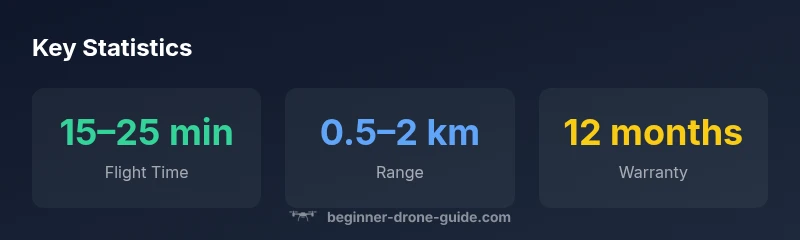
For beginners, the primary use case is learning flight control, basic photography, and simple mapping exercises. ORB Drone could excel in entry-level photography, casual video capture, and basic aerial exploration in safe, controlled environments. Limitations often appear in camera quality, stabilization performance in wind, and range. Even within a low-cost class, there are notable differences in fly time, feature depth, and firmware longevity. Expect some compromises on sensor performance or image quality when choosing the lowest price tier. The takeaway is to calibrate expectations: lower price points may mean fewer safety features or slower support cycles. The decision should balance price against the opportunity to learn with a tool that’s reliable enough for practice but not a premium platform for professional use.
The Beginner Drone Guide perspective emphasizes that learning and safety should drive the decision, not only the initial sticker price.
Red Flags and Due Diligence Steps
To avoid overpaying for an untrustworthy product, use this quick checklist:
- Verify the manufacturer and official website; check contact details and physical address.
- Read the warranty policy carefully and confirm parts availability for repairs.
- Look for independent reviews and test data beyond retailer pages.
- Check for consistent firmware updates and documented safety certifications.
- Be wary of unusually low prices, vague specifications, or limited customer support channels.
The due diligence process should be systematic and documented; if you want a reliable entry point, restrict initial purchases to vendors with clear return policies and responsive support channels.
Buying Path: What to Do Next
If you’re a beginner, start with a small, controlled test flight in a safe area. Compare rewards against risks and create a short list of must-have safety features. When you’re ready to buy, draft a checklist: price vs. features, warranty, spare parts availability, and local regulations. If possible, choose a model with a simple replacement parts ecosystem and a robust set of community resources to help you learn. In any case, do not assume that a lower price automatically implies better value; a well-supported beginner drone often represents better long-term value, even if the upfront cost is a little higher.
The evaluation path should end with a decision that reflects your learning goals, safety priorities, and budget constraints. A methodical approach, aligned to the brand’s transparency and third-party validation, yields the best long-term outcomes.
format1 alone?
Benefits
- Low upfront cost relative to premium beginner drones
- Simple controls and quick learning curve
- Comprehensive beginner-friendly tutorials available
- Decent package of safety features for entry-level pilots
Weaknesses
- Limited aftermarket parts and repair options
- Warranty terms may be shorter or less comprehensive
- Camera quality and stabilization are generally basic
- Support responsiveness can vary by seller or region
Solid starter choice with caveats
ORB Drone offers approachable entry-level features at an accessible price. Its legitimacy hinges on transparent specs, reliable warranty coverage, and consistent support. For beginners who prioritize learning and safety over top-tier image quality, it’s a reasonable option—provided you verify the official documentation and licensing requirements first.
Frequently Asked Questions
Is ORB Drone legit for beginners?
ORB Drone can be legitimate for beginners if the brand provides clear specifications, a transparent warranty, and accessible customer support. Verification through independent reviews and third-party testing helps confirm legitimacy. Always compare against established beginner models to gauge value.
Yes—if you verify specs, warranty, and support; compare with other beginner drones to ensure you’re getting a solid learning tool.
Do I need a license to operate ORB Drone?
License requirements depend on your country and whether you fly recreationally or commercially. In many places, recreational pilots should follow rule sets and register drones when required. Always check local aviation authority guidance and update yourself on new regulations.
Check your local rules and register if required before flying.
How does ORB Drone stack up against other beginner drones?
In general, ORB Drone offers affordability and ease of use but may lag on camera quality, stabilization, and parts availability compared to established beginner drones. The right choice depends on your learning goals and willingness to trade some performance for a lower price.
It’s usually cheaper and easier to learn on, but expect lower camera quality and slower support.
What are common safety concerns with ORB Drone?
Common concerns include battery safety, propeller exposure, and sensor reliability in windy conditions. Always fly in open spaces, inspect components before flights, and keep firmware updated to mitigate risks.
Watch for battery issues and sensor reliability; follow safety steps before every flight.
Where should I buy ORB Drone, and how can I avoid scams?
Buy from reputable, authorized sellers with visible contact details and clear return policies. Avoid ultra-fast shipping promises or deals that require upfront personal data. Read reviews from multiple sources and verify the seller’s legitimacy before payment.
Prefer official stores or reputable retailers, and read multiple customer reviews before purchasing.
Quick Summary
- Verify licensing and safety features before buying
- Compare ORB Drone against established beginner models
- Look for transparent warranty and responsive support
- Test in real-world conditions before purchase
- Be cautious of unusually low prices and vague specs