How to Remove Drones in Batman: Arkham Knight
Learn practical, beginner-friendly strategies to safely handle drones in Batman: Arkham Knight. This in-depth guide covers stealth, distractions, and non-lethal takedowns to clear drone threats in-game.


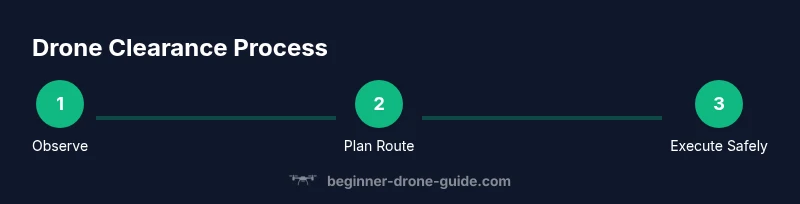
To get rid of drones in Batman: Arkham Knight, focus on stealth, distraction, and neutralization methods. Observe drone patrols to time moves, use environmental cover to stay unseen, and employ non-lethal takedowns or gadgets to disable drones without triggering alarms. Plan several steps, then execute with careful, incremental moves for safe clearance.
Overview of the Drone Threat in Arkham Knight
Drones are a recurring hazard in Batman: Arkham Knight, blending mechanical buzz with watchful cameras. They sweep corridors, hover above roofs, and react quickly to movement. For a player focused on stealth, the drones can be as challenging as the most armored enemies because exposure can escalate tension fast. According to Beginner Drone Guide, understanding how drones patrol—where they pause, how long they linger, and what triggers their alarms—creates the foundation for safely clearing zones. The core idea is to deprive drones of line-of-sight and time to react, rather than attempting to overpower them with brute force. In practice, this means reading patterns, choosing routes that minimize visibility, and preparing to react in micro-sprints rather than long charges. In this section, you’ll learn to map zones, note environmental cues, and plan a sequence that takes minimal risk while maintaining progress toward your objective.
Core Strategies for Drone Clearance in Strategy-Driven Play
Clearing drone threats in Batman: Arkham Knight isn’t about brute force; it’s about smart sequencing and patience. Begin by assessing the area and identifying where drones are most likely to sweep next. Begin with high-confidence routes that keep you in shadows and away from exposed windows. Beginner Drone Guide analysis shows that most drone threats can be mitigated by patience and smart staging rather than brute confrontation. Use distractions to pull drones away from your chosen corridor, then advance before they return to their original path. This approach minimizes the chance of simultaneous encounters, which can quickly raise the game’s tension. Throughout, maintain a pace you can control, and plan alternate routes in case a drone changes direction.
Stealth and Patience: Timing Your Movements
The backbone of drone clearance is timing. Move when a drone’s attention is elsewhere, or when it is briefly distracted by a noise or an environmental cue. Small, deliberate steps are more effective than fast dashes that draw attention. If you misread a pattern, retreat to cover and reassess rather than pressing forward. Patience reduces the risk of triggering alarms that could bring in more drones or guards. The goal is to create a clean path with minimal exposure, then push forward in measured increments rather than attempting a single, risky sprint. This section focuses on recognizing how light, shadow, and angles influence drone visibility and how to exploit them consistently in practice.
Distraction Techniques That Work in-game
Distractions can be a powerful equalizer when drones dominate a space. Use environmental cues—sounds, movement, or light changes—to draw a drone away from your path. The idea is to create a window where the drone is distracted long enough for you to slip past or reposition. In practice, choose distraction moments that don’t pull the drone into a position you can’t escape from. If an in-game gadget enables a controlled distraction, deploy it to shift a drone’s focus before moving. Remember: the more you can stagger the drones’ attention, the more control you gain over the encounter.
Non-lethal Neutralization: The Gentle Closer
When a drone comes within close range and proximity allows, a non-lethal takedown can neutralize the threat without escalating the encounter. The emphasis here is restraint: use takedowns only when the drone is isolated and you have a clear exit route. Do not engage drones in crowded spaces where a failed takedown could trigger more drones or alarms. Practicing timing and positioning in low-risk zones helps you master this step. Consider rehearsing one drone at a time to build confidence before addressing more complex clusters.
Environment as an Ally: Lighting, Corners, and Elevation
The game’s environments are full of opportunities for stealth. Stay in shadows, use corners to break sightlines, and leverage elevation changes to gain a vantage point that complicates drones’ line of sight. Elevation differences can force drones to pause or slow, letting you slip past. Always scan for alternate routes that minimize exposure—rooftops, alleys, and indoor corridors often hide nooks that reduce the chance of a direct line of sight. By treating the environment as an ally, you turn a dangerous drone encounter into a controlled, repeatable sequence that can be practiced and perfected.
Practical Drills: Drills to Practice Your Route
Practice is essential for consistent results. Start with a small, empty area where drones patrol slowly and with predictable patterns. Map a route that relies on shadows, corners, and a predictable distraction. Repeat the drill, increasing pace gradually only after you are consistent at the slower tempo. Use slow-motion or in-game timers if available to calibrate your timing. The goal is to internalize a repeatable flow that minimizes risk while keeping progress toward your objective intact. As you grow more confident, introduce a second drone and test your route under more challenging conditions.
Common Pitfalls and How to Avoid Them
Common mistakes include charging without scouting, failing to use environmental cover, and underestimating a drone’s quick response. Always pause to reassess if a drone changes direction or speeds up unexpectedly. Keep your route flexible and have a backup plan in case a detour becomes necessary. Avoid overreliance on one single gadget or tactic; diversify your approach so you can adapt to different drone behaviors and patrols. If you can’t complete a section, backtrack to a safer point and rebuild your approach rather than forcing a failed attempt.
Next Steps: Practice Scenarios and Progression
Now that you know the core strategies, it’s time to graduate to more complex scenarios. Begin by running through the same corridor at different times of day or lighting conditions to test how visibility changes your approach. Next, increase the number of drones you’re facing, then practice a staggered approach where you neutralize one drone before addressing another. Finally, integrate distractions with stealth moves to see how quickly you can clear an area without triggering alarms. Regular practice will build confidence and reduce risk during real play sessions.
Tools & Materials
- Batman: Arkham Knight game (on your platform)(Ensure you have the latest patch installed)
- Controller or keyboard/mouse(For precise timing and stealth movements)
- Calibrated display and comfortable seating(Reduces fatigue during longer sessions)
- Optional: In-game guide or walkthrough(Helpful if you get stuck)
Steps
Estimated time: 25-35 minutes
- 1
Observe drone patrols
Scan the area to identify drone patrol routes, how long they pause, and where the blind spots are. This initial assessment creates a safe map that you will follow. The why is simple: knowing the rhythm reduces the chance of being spotted and helps you plan a stealthy approach.
Tip: Take notes in a mental map or quick in-game notebook to reference before moving. - 2
Plan a shadowed route
Choose a path that stays in shadows and uses environmental obstacles. A good route minimizes exposure and keeps you out of direct line of sight. If a drone looks like it might see you, backtrack to cover and reassess rather than forcing forward.
Tip: If you lose line of sight, pause and wait for the drone to pass before resuming. - 3
Use distractions strategically
Deploy a distraction when a drone is between you and your goal, causing it to redirect its attention away from your path. The goal is to buy you a window of safe movement, not to lure drones into more dangerous configurations.
Tip: Distractions should be brief and deliberate; overusing them can draw more attention. - 4
Approach a drone for neutralization
When a drone is isolated and has a clear exit path, execute a non-lethal neutralization. This removes the threat without triggering alarms or attracting backup.
Tip: Only engage when you have a quick escape route. - 5
Clear sequentially, not simultaneously
Tackle drones one by one to avoid being surrounded. A staggered approach reduces risk and keeps you in control of the situation.
Tip: If two drones converge, retreat to cover and replan the sequence. - 6
Reassess after each clearance
After removing a drone, pause to re-scan for new patrol patterns or changes in lighting and shadows. Environments are dynamic, and a saved route helps you stay ahead.
Tip: Always re-check your map before continuing. - 7
Exit to a safe zone
When all drones in the area are neutralized, move to a safe zone to reset the encounter and prepare for the next objective.
Tip: Save progress before attempting the next area to avoid repeating the sequence.
Frequently Asked Questions
What is the best approach to getting rid of drones in Batman: Arkham Knight?
The best approach combines stealth, observation, and careful timing. Start by mapping patrol routes, use distractions to break line of sight, and perform non-lethal takedowns only when drones are isolated. Practice patience, and you’ll reduce exposure and alarm triggers.
Start by mapping the drone patterns, use distractions to break line of sight, and neutralize drones one by one with patience.
Can I avoid drones without engaging them?
Yes. Prioritize stealth and route planning to slip past drones without direct confrontation. Use shadows and environmental cues to stay hidden and time your moves around patrols.
Yes—plan a stealthy route and move when drones aren’t looking. Stay hidden and avoid engagement whenever possible.
What gadgets help in dealing with drones?
In-game tools that create distractions or disrupt sensors can help manage drone behavior. Use these tools to pull drones away from your path and reopen routes without triggering additional threats.
Distractions and sensor-disruption tools can help you steer drones away from you.
Do drones respawn after a mission area?
Drones may reappear in later sections or upon retrying an area. Treat it as a recurring hazard and use the learned route to re-clear efficiently.
Drones can reappear in other sections, so keep refining your route as you progress.
Is it okay to use non-lethal methods to clear drones?
Yes. Non-lethal takedowns and distractions are appropriate strategies in-game to safely remove threats without escalating the encounter.
Non-lethal takedowns and distractions are the recommended way to clear drones without escalating things.
Watch Video
Quick Summary
- Observe drone patterns before moving
- Use shadows and cover to stay unseen
- Disrupt drones with distractions when appropriate
- Practice stepwise, not in one rush