How to Deal with Drone-Laying Workers in a Beehive
Step-by-step guidance for recognizing, managing, and requeening a hive with laying workers to restore brood patterns and colony health. Practical tips for beginners, safety, and prevention.


How to deal with drone laying workers starts with confirming queenlessness and identifying laying workers. The core steps include requeening the hive, introducing a healthy queen or nucleus, and removing brood that reflects unfertilized eggs. This quick answer outlines a practical plan and safety notes so beginners can regain brood patterns and colony health.
Understanding drone-laying workers
Drone-laying workers are worker bees that begin laying unfertilized eggs, producing male drones. This typically happens in colonies that have lost their queen or have a severely reduced queen pheromone signal. The presence of laying workers signals a broken reproductive chain, not a normal worker role. For beginners, it’s a distressing sign because the colony’s future brood pattern is compromised. You may notice eggs laid in worker cells across frames, and brood patterns can look irregular. Many new beekeepers confuse drone brood with normal drone production, but laying workers tend to appear throughout combs in multiple cells rather than in a few drone cells. To assess the situation, confirm queen presence by inspecting for eggs at the bottom of cells and look for sealed brood consistent with the season. The goal is to restore a strong queen and correct pheromone balance quickly. According to Beginner Drone Guide, beginners should approach colony checks with calm posture and deliberate movements to minimize stress.
Causes and warning signs
Queen loss or a failing queen is the most common trigger for laying workers. Other factors include extended queen age, stress from transport or hive relocation, and insufficient pheromone signaling after disturbances. Warning signs include a sudden drop in brood viability, scattered eggs in multiple cells, and a deteriorating brood pattern that lacks uniformity. If you also see a lack of capped brood in several frames, this strengthens the case for queen failure. The presence of laying workers does not guarantee immediate colony collapse, but it does require timely intervention to restore colony balance. Begin by verifying queen status, brood patterns, and the colony’s recent history (pedestal feeding, hive splits, or queen replacement attempts). Begin by recording observations in your hive notebook to guide future decisions.
Step-by-step plan to address laying workers
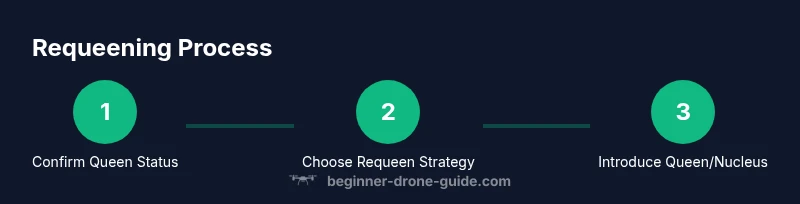
The first action is a clear plan: confirm queen status, choose a requeening method (direct queen release or a nucleus approach), and prepare the new queen or colony for introduction. If possible, you’ll want to introduce a healthy, mated queen to restore pheromone signals quickly. You’ll also need to evaluate the brood to remove heavily drone-laden cells that came from laying workers. After introduction, monitor acceptance, brood development, and signatures of improved laying patterns over the next 1–2 weeks. This plan minimizes risk to your colony and maximizes chances of stabilizing brood production. See Step-by-step section for actionable actions and pro tips.
Requeening options
Direct requeening involves replacing the queen in a queenless hive with a new one released into the colony. Alternatively, you can introduce a queen via a queen cage, or start with a nucleus colony that already contains a queen and some brood. Requeening requires careful timing and a calm environment to reduce stress. If your colony has many laying workers, a nucleus-based approach often gives you a stronger start because the nucleus contributes established pheromones and worker support. Always ensure the queen you introduce is well-verified as mated and healthy.
Handling brood and queen acceptance
Queen acceptance is the critical test of a successful requeening. After introducing a new queen, allow 24–72 hours for the bees to discover and begin feeding the queen. If you see queen cells, that can indicate suppression or queen acceptance issues, and you may need to intervene again. During the acceptance window, minimize hive disturbances to avoid triggering aggression. If the queen is rejected, consider alternatives such as requeening with a newer queen, or merging with a queen-right colony to boost pheromone signals. Documentation of acceptance cues helps refine future decisions.
Prevention and best practices
Preventing laying workers begins with consistent queen health and pheromone management. Regular, gentle colony inspections help you detect queen issues early. Maintain strong pheromone levels with a robust queen presence and minimize stress from consistent transport or hive manipulations. Schedule periodic checks to ensure brood is developing in uniform patterns, and consider establishing a backup queen or nucleus in late summer as a precaution against queen failure. Finally, keep good records and be prepared to act quickly if signals of queen failure appear.
Troubleshooting and common pitfalls
Common mistakes include delaying action, attempting to salvage a failing queen instead of requeening, and failing to provide a clean introduction environment. Avoid opening the hive too frequently during the critical acceptance period; harsh vibrations can cause queen rejection. If you face persistent rejection or brood irregularities after several weeks, reassess your queen choice and consider a different requeening approach or colony merge. Remember that patience in monitoring and a systematic plan reduce the risk of colony loss.
When to seek professional help
If you are unsure about the hive’s health, or if repeated requeening attempts fail, seek local beekeeping support from a cooperative extension, experienced mentors, or a local beekeeper’s association. They can provide on-site guidance, help you identify disease or pest pressure, and suggest region-specific best practices for queen replacement. A professional assessment can save time and preserve your colony’s long-term health.
Tools & Materials
- Bee suit and veil(Protective clothing for handling bees; choose a suit with elastic cuffs and a veil that fits securely.)
- Smoker(Light and maintain a steady cool smoke to calm bees during inspections.)
- Hive tool(For prying frames and lifting waxy components without damage.)
- New queen (mated preferred)(Ensure availability of a healthy, mated queen for introduction.)
- Queen cage and introduction frame(Use a proper cage for gradual queen release; include a candy or feeding aid.)
- Nucleus colony or brood frames(Source a small colony with a queen and some brood for a smoother transition.)
- Sugar syrup feeder(Optional; used to support feeding during introduction and recovery.)
Steps
Estimated time: 2-4 weeks for initial queen acceptance and brood stabilization
- 1
Confirm queen status and identify laying workers
Begin with a calm hive inspection to determine whether a queen is present. Look for eggs laid in a regular pattern and assess whether workers are actively laying in multiple cells. Note signs of queen loss, such as scattered eggs or absence of young brood. Why: accurately diagnosing queenlessness guides the entire requeening plan.
Tip: Take your time; use slow, deliberate motions to reduce colony stress. - 2
Choose a requeening strategy
Decide between direct queen replacement or introducing a nucleus with a queen. A nucleus often provides better pheromone balance and a higher chance of acceptance in a stressed colony. Why: the strategy affects acceptance rate and recovery speed.
Tip: If you have a strong, disease-free queen, direct replacement can be fastest. - 3
Prepare your queen or nucleus
If using a queen cage, prepare the cage with a candy plug and ensure the queen is clearly labeled. If using a nucleus, place it near brood frames so workers recognize the familiar scent. Why: proper staging reduces stress and increases acceptance.
Tip: Keep the queen in the cage until bees begin feeding; do not release too early. - 4
Create an introduction window
Position the alternative queen near drawn comb or brood frames to encourage scent transfer. Use a frame between the queen and worker bees to ease recognition. Why: a smooth scent transition improves acceptance odds.
Tip: Gently place the queen cage at mid-level in a brood area, not on the outer edges. - 5
Release or acclimate the new queen
If using a cage, allow bees to release the queen gradually over 24–72 hours by removing the candy plug gradually. If releasing directly, monitor for calm behavior without aggressive guard bees. Why: gradual release reduces risk of kill or rejection.
Tip: Keep smoke handy to manage any tempers during release. - 6
Monitor queen acceptance and brood development
Check for queen introduction signs within a week and again in 2–3 weeks. Look for brood pattern improvement and a reduction in eggs laid by workers. Why: acceptance is the cornerstone of recovering brood health.
Tip: Document acceptance status in a hive log for future reference. - 7
Address drone brood and extraneous brood
Remove drone brood that originated from laying workers to prevent continued reproduction of drones. Why: reducing drone brood helps reestablish a worker-driven brood pattern with the new queen.
Tip: Do not over-strip a hive; preserve enough brood for colony strength. - 8
Plan for long-term stabilization
Schedule regular checks to verify continued brood uniformity and queen performance. Consider establishing a backup queen or nucleus as a safety net for future queen losses. Why: proactive planning reduces recurrence risk.
Tip: Keep a small queen-right nucleus as a standby. - 9
Document results and refine your process
Record queen acceptance outcomes, timings, and brood patterns for future reference. Why: learning from each case improves success rates over time.
Tip: Review notes after each hive cycle and adjust your approach accordingly.
Frequently Asked Questions
What is a drone-laying worker and why does it happen?
A drone-laying worker is a worker bee that begins laying unfertilized eggs, producing drones in a queenless or pheromone-depleted hive. This typically occurs when the colony loses its queen or when the queen’s pheromones decline. It signals a broken reproductive chain and the need for corrective action to restore brood patterns.
A laying worker is a worker bee that starts laying unfertilized eggs, usually after the hive becomes queenless or the queen’s signals fade.
How can I tell if there is a queen present besides eggs?
Beyond eggs, you can look for a capped queen cell, or a visible mated queen moving through the brood; absence of these signs with scattered eggs suggests queen loss. Regular checks help you confirm her presence.
If you don’t see the queen or a queen cell, the hive may be queenless, and you should act quickly.
What are the best methods to requeen a hive with laying workers?
The common methods are introducing a mated queen via a cage or starting with a nucleus that already has a queen. Each method has steps to ensure gradual scent transfer and acceptance. Monitor closely for the first week.
Use a queen in a cage to gradually release her, or start with a small nucleus that already has a queen.
How long does queen acceptance take, and what if it fails?
Queen acceptance typically takes 24–72 hours for initial behavior changes and up to 2–3 weeks for solid brood pattern recovery. If acceptance fails, you may need to re-queen again or merge with a queen-right colony.
Most colonies accept a new queen within a few days, but if not, you’ll need to try again or merge with a healthy hive.
Should I remove all drone brood when dealing with laying workers?
Yes, removing drone brood originating from laying workers helps restore a worker-focused brood pattern and reduces ongoing drone production caused by laying workers. Do this carefully to avoid stressing the colony.
Prune drone brood that comes from laying workers to boost chances of a strong worker brood pattern.
When is it necessary to seek professional beekeeping help?
If queen failure recurs, if you’re unsure about hive health, or if local regulations complicate requeening, seek help from a local extension service or experienced beekeeper. A pro can assist with on-site evaluation and more advanced strategies.
If you’re unsure or facing repeated failures, get local expert help to avoid losing the colony.
Watch Video
Quick Summary
- Identify queenless signs early
- Choose a requeening strategy aligned with hive status
- Introduce the queen carefully and monitor acceptance
- Remove laying workers’ drone brood to restore balance
- Document outcomes for future beekeeping success