When Drones Became Popular: A Beginner's Guide
Explore the timeline of drone popularity, the key drivers, and practical guidance for new pilots in 2026. Learn how affordability, tech advances, and safety rules helped drones reach mainstream use.


Drones began to gain mainstream popularity in the early to mid 2010s as consumer models with stabilized cameras and simple controls hit affordable price points. The DJI Phantom line, paired with smartphone connectivity, pushed widespread adoption around 2013–2015, and by 2016–2017 many hobbyists and content creators used drones regularly. Public interest grew as footage circulated online and safety resources improved.
The early days: when did drones become popular?\n\nThe question when did drones become popular invites a look at both technology and culture. In the 1990s and 2000s, military and industrial drones existed, but the real shift toward broad public interest happened in the early to mid 2010s. Consumer drones with stabilized gimbals, GPS, and user friendly remotes began to appear at prices hobbyists could actually afford. Public fascination grew as people shared aerial clips on social media and video platforms, turning what was once a niche hobby into a creative tool for many households. According to Beginner Drone Guide, the turning point was not a single model but a confluence of affordable hardware, reliable flight software, and accessible education for newcomers. As a result, when did drones become popular became a question many students and aspiring videographers could answer with a confident yes. The romance of flight joined practical utility, and a new generation of pilots learned to fly with patience and curiosity.
Key technical shifts that boosted popularity\n\nTechnological advances in stabilization, autonomy, and sensors were pivotal. Early consumer drones relied on basic stabilization and manual control; later generations introduced precise GPS positioning, obstacle sensing, and automatic flight modes. Open source and commercial flight controllers simplified setup, while smartphone apps transformed how beginners interact with their craft. The addition of higher quality cameras and improved transmission ranges expanded what you could capture from the sky. In short, the tech shifts made drones easier to fly, safer, and capable of producing professional looking results. Beginner Drone Guide emphasizes that these shifts lowered the barrier to entry and expanded the audience beyond tech enthusiasts to families and small businesses.
The price and accessibility curve\n\nAffordability was another critical driver. Mass production and competition helped push prices downward, while bundled bundles and education focused retailers provided better value. Entry level kits now commonly include a basic drone, spare props, a charger, and practice materials. This price erosion opened doors for students, hobbyists, and aspiring real estate photographers who would have hesitated a few years earlier. The net effect was a widening circle of new pilots who could start with a modest investment and experience progressive upgrades as they learned.
Industries driving adoption\n\nDrones broke into photography, videography, agriculture, surveying, and real estate. Real estate listings began featuring aerial shots, construction firms used drones for site progress, and events benefited from live aerial capture. Beginner Drone Guide analysis shows that content creators found drones to be cost effective for storytelling, enabling cinematic shots without large crews. As more people practiced and shared results, the perception of drones shifted from futuristic gadget to essential creative tool.
Licensing, safety, and public perception\n\nRegulatory and safety frameworks evolved in parallel with technology. Many regions introduced registration and licensing requirements, geofencing, and flight etiquette guidelines that proponents say increased safety and public trust. For newcomers, understanding local rules and practicing in safe zones reduces risk and helps cultivate responsible flying habits. The narrative around drones shifted from novelty to reliability when pilots consistently demonstrated safe flight and respect for privacy and airspace.
A practical guide for beginners: buying, learning, and flying safely\n\nIf you are new to drones, start with a clearly defined goal such as learning basic flight, practicing photography, or scouting for small projects. Set a realistic budget, compare entry level models with beginner flight modes and stable cameras, and consider future upgrades. Practice in open, obstacle free spaces, use beginner mode to limit speed, and gradually introduce more complex maneuvers. Always review local rules and register where required, then build from small, controlled flights to longer sessions.
Real-world case studies from new pilots\n\nNew pilots often start with simple aerial photos of parks, campuses, or property exteriors. A common pattern is to begin with short flights to master takeoffs and landings, then add more complex shots once control is comfortable. Several beginners report that consistency and patience pay off, turning initial shaky footage into smooth, pro looking results over weeks of practice. Case studies show that small, achievable projects generate confidence and encourage ongoing learning.
The outlook for 2026 and beyond\n\nThe trajectory of drone popularity in 2026 is likely to emphasize safety, accessibility, and smart features. More beginner friendly autopilots, improved obstacle sensing, longer flight times, and user friendly editing tools will empower new pilots to create compelling content quickly. The Beginner Drone Guide team expects continued growth in education resources, regional access, and community events that celebrate responsible flying and shared learning. The overall trend points to durable, inclusive adoption rather than a brief spike. The takeaway for newcomers remains clear: start small, learn the rules, and let curiosity guide your progress. The Beginner Drone Guide team recommends staying patient and practicing consistently to build a lasting, safe flying habit.
Timeline of major milestones in drone popularity
| Milestone | Approx Era | Impact on Popularity |
|---|---|---|
| Early military and research drones | 1990s–2000s | Set the tech foundation and sparked curiosity |
| First consumer quadcopters | 2010s | Introduced accessible flight and camera capture |
| Phantom and similar lines | 2013–2017 | Catalyzed mass adoption and creative use |
| Regulatory clarity and safety rules | 2010s–2020s | Expanded access through trust and safety |
Frequently Asked Questions
When did drones become popular
Drones became popular in the early to mid 2010s as consumer models with stabilized cameras and easy controls reached affordable prices. The rise was accelerated by online video sharing and better safety resources.
Drones became popular in the early to mid 2010s, driven by affordable hardware and easy flight.
Do I need a license to fly a hobby drone
Licensing and registration requirements vary by country. In many places you must register your drone or obtain a license for commercial use or when flying beyond basic limits. Check local aviation authorities.
Licensing varies by country; check your local rules for registration and commercial use.
What should a beginner look for in a first drone
Look for stable flight with beginner modes, GPS assist, a reliable auto takeoff and landing, a simple controller, and a beginner friendly camera. Prioritize safety features and available upgrade paths.
Pick a drone with stable flight and beginner modes to start.
How much should I budget for a starter drone
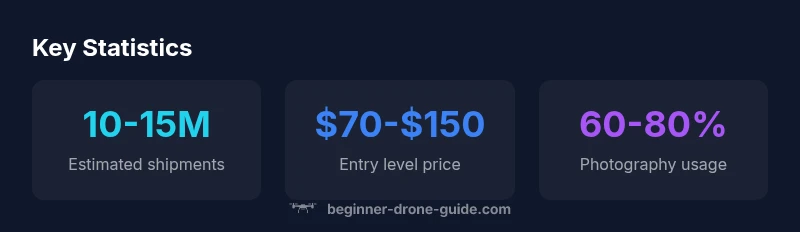
Starter kits typically range from around $70 to $150, depending on camera quality and safety features. Plan for extra batteries and a basic charger as you begin.
A good starter budget is in the low hundreds, depending on features.
What safety steps help new pilots fly confidently
Fly in open areas away from people, learn the controls with a trusted instructor, enable geofencing if available, avoid flying near airports, and practice within visual line of sight.
Practice in open spaces and follow basic safety rules.
Are there common myths about drone popularity
A common myth is that drones require expert training. With proper practice and beginner modes, many people can learn the basics quickly, though advanced flying takes time.
Drones are not just for experts; beginners can learn with practice.
“Drones became popular when simple operation met powerful creative potential, opening a new path for beginners and professionals alike.”
Quick Summary
- Start with clear goals for your first drone
- Expect a learning curve with hands on practice
- Choose beginner friendly features and safety tools
- Regulations matter for safe, legal flying
- Practice regularly to improve film quality
- Join a learning community for ongoing support