Is the E88 Drone Good? A Thorough Beginner's Review and Guide
Is the E88 drone good? A practical, beginner-friendly review assessing ease of use, safety, camera quality, flight stability, and value for first-time pilots on a budget.


Based on beginner-friendly criteria—ease of use, safety, value, and learning curve—the E88 drone is a solid entry-level option for first-time pilots who want to practice indoors and outdoors without breaking the bank. While it won't match mid-range models in image quality or flight stability, its ultra-low price, forgiving controls, and accessible setup make it a sensible starting point for most newcomers.
Is the E88 Drone Good? A Practical Overview
Readers often search for 'is e88 drone good' when they start exploring budget quads. The question isn't simply about one feature; it's about the overall learning journey. For beginners, a drone should be forgiving, safe, and affordable to repair after the inevitable crashes. According to Beginner Drone Guide, the E88 falls into that category, offering a gentle learning curve, simple controls, and a low-stress entry point for new pilots. This overview frames who benefits most, what you can realistically expect, and how to decide if this model aligns with your goals. By focusing on how a brand-new pilot learns—indoor practice first, then outdoor flights—we set realistic expectations and avoid overpromising. The takeaway is clear: the E88 is a practical starting point, not a top-tier camera drone.
Design, Build Quality, and Flight Readiness
Budget drones prioritize light weight and simple materials to keep prices down, and the E88 follows this pattern. A lightweight frame with modest plastic construction keeps weight low, which helps indoor handling but can mean more wear from bumps and taps against walls and furniture. Most versions ship with basic prop guards, which are valuable for beginners who still learn how to throttle smoothly and how to recover from small mid-air slips. The control logic—throttle, yaw, and roll—tends to be straightforward, with a forgiving escape hatch if you drift off track. In practice, setup is quick: charge cells, bind to the controller, recalibrate the compass if required, and perform a basic hover test. The shorter the ramp-to-fly time, the sooner you gain confidence, which is exactly what beginners want.
Camera Capabilities and Image Quality
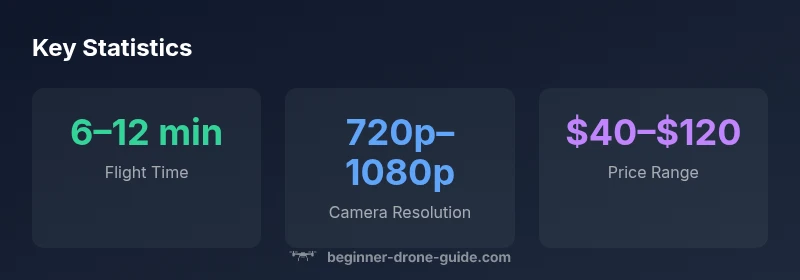
Camera performance on budget drones like the E88 targets entry-level footage and learning outcomes rather than professional production values. Expect video at modest resolutions, workable color rendition in bright daylight, and limited dynamic range under challenging lighting. This isn’t a model built for cinematic shots; it’s meant to help you practice framing, exposure adjustments, and keeping a steady hover while moving. A few variants may offer adjustable exposure or a rudimentary panorama mode, but you should not rely on it for high-quality photography. For learners, the practical benefit is clear: you can practice keeping the drone in frame, tracking a subject, and managing smooth panning without fiddling with complex camera settings.
Flight Performance, Stability, and Indoors vs Outdoors
Stability is the core area where beginners notice differences among budget drones. The E88 typically offers stable hover at low speeds, with altitude hold that helps you learn height control. Indoors, its compact footprint makes it easier to practice precise movements, but walls and furniture limit high-speed flight. Outdoors, wind and slight gusts can expose the drone’s lower power envelope and shorter control radius. The key for beginners is to practice in calm conditions and gradually introduce more challenging environments as you improve. A stable platform encourages confidence, and that confidence translates into faster muscle memory. Expect occasional drift if you push throttle aggressively or fly near obstacles—this is part of the learning curve, not a failure of the craft.
Battery Life, Charging, and Real-World Runtime
Battery life is a tangible measure beginners notice first. On budget models, flight times are typically modest, often measured in minutes rather than hours, especially as you begin to learn efficient hovering and conservative throttle use. Real-world runtimes depend on factors like wind, payload changes, and the age of the battery. Charging times can be longer than the flight time, so it’s smart to have multiple batteries and a quick charger on hand. Safety guidelines matter here: never leave charging batteries unattended, store them at the recommended temperature, and avoid discharging to zero between sessions. As you gain experience, you’ll discover the sweet spot where you can complete short practice routines and still have energy for a second flight without waiting too long.
Features, Controls, and Beginner Modes
Most E88 variants emphasize beginner-friendly modes to reduce cognitive load. Look for features such as headless mode, altitude hold, one-key takeoff and landing, and basic return-to-home. These tools help novices stay oriented and reduce the risk of crashes during early flights. The inclusion of prop guards and simplified autopilot functions can be a big help, especially for learners who are still building spatial awareness. While some variants may offer more advanced features like GPS or FPV compatibility, the core benefits for beginners are safety, predictability, and straightforward learning curves. As skills grow, you can decide whether you need more range, better stability, or higher camera capability.
Value, Price, and Total Cost of Ownership
Affordability is the central appeal of the E88. The initial price point lowers the barrier to entry and mitigates the impact of occasional crashes during the learning process. Yet total cost of ownership includes spare parts, extra batteries, and replacement props, which can accumulate. Because spare parts for budget drones are widely available at modest prices, ongoing costs remain predictable. The E88 serves as a risk-managed sandbox: you can practice without worrying about expensive repairs, and you can upgrade to a more capable platform when you’re ready. The math works best when you treat the E88 as a training tool rather than a final purchasing decision.
Real-World Scenarios: Use Cases and Limitations
In real-world usage, the E88 shines as a training partner rather than a production tool. It’s ideal for indoor hovering practice, basic aerial maneuvers, and casual outdoor exploration in favorable weather. For students learning composition, it offers a forgiving platform to experiment with framing, speed control, and smooth movements. If your goals include high-fidelity video work, long-range flights, or advanced subject tracking, you should plan to upgrade to a more capable drone later. The E88’s limitation set—modest camera quality, shorter flight times, and limited stabilization—helps beginners pace themselves. You’ll avoid big financial risk while building a foundation you can carry forward as you upgrade to more demanding gear.
How We Approached Testing and What We Look For
Our evaluation follows a structured method to ensure fairness and transparency. We test stability on a calm indoor stage, then move to open outdoor spaces to observe wind tolerance and control while tracking. We measure real-world flight times, verify calibration routines, and check how responsive the drone remains during longer, multi-maneuver sessions. We compare the E88’s performance against other budget drones in the same class to illustrate where it shines and where it falls short. Our approach emphasizes practical outcomes for beginners: how easy is it to fly, how safe is it, and how quickly can you build foundational skills before upgrading? This aligns with the framework used by the Beginner Drone Guide Analysis, 2026 and provides readers with a clear basis for decision-making.
Alternatives and How to Decide Your Next Step
For learners who crave more than an entry-level experience, consider models with stronger stabilization, longer flight times, and better cameras. Upgrading should be guided by your goals: if you aim to shoot real estate clips or landscape footage, prioritize a model with superior footage and GPS-assisted stability. If your focus remains practice and hobby flights, you might explore variants with enhanced motor power, longer control range, or additional beginner modes. The decision should balance progress toward specific goals with budget discipline. The E88 remains a valuable stepping stone for those who want a low-risk start, ample practice time, and a clear upgrade path later.
Benefits
- Low upfront cost reduces risk and encourages experimentation
- Forgiving controls with altitude hold and headless mode
- Lightweight and portable for travel and indoor practice
- Wide availability of spare parts and accessories
Weaknesses
- Limited camera quality and stabilization compared with mid-range models
- Shorter flight times and range in real-world conditions
- Build quality softer under heavy impact; more cosmetic wear
Strong starter option for absolute beginners.
The E88 offers a gentle entry into drone flight with forgiving controls and a low price. It’s not designed for premium imaging or advanced tricks, but it helps new pilots build fundamentals safely and confidently.
Frequently Asked Questions
Is the E88 drone good for beginners?
Yes, the E88 is a solid starter drone due to forgiving controls, simple setup, and safety features. It trades camera quality and range for ease of learning and confidence-building.
Yes. It's a great starter drone because it's easy to learn with forgiving controls and simple setup.
How easy is it to learn to fly the E88?
Very easy for beginners: stable hover, basic modes, and predictable throttle response reduce the chances of scrambling. Regular practice indoors helps build skill quickly.
Very easy to learn. It has stable hover and simple modes, perfect for building basic piloting skills.
What safety features should I expect?
Expect prop guards, headless mode, altitude hold, and one-key takeoff and landing. These features reduce risk and simplify learning.
Look for prop guards and altitude hold. They help reduce crashes and improve control.
How does it compare to other budget drones?
Compared to similar budget models, the E88 emphasizes ease of use and repairability. Some peers might offer better cameras, but often with higher risk of crashes for beginners.
It’s similar to other budget options—easy to use, easy to repair, but cameras may be weaker than pricier models.
Do I need a license or registration to fly the E88?
Regulations vary by country. For recreational pilots, you may need registration or certification depending on your location. Check with your local aviation authority.
Regulations differ by country. Check your local aviation authority for registration or certification requirements.
What should I upgrade first after learning on the E88?
Upgrade to a model with better camera, longer flight time, and GPS-assisted stability when you’re ready. Use the E88 as a training ground before investing in higher-end gear.
Upgrade when you’re ready to improve camera quality, flight time, and stability.
Quick Summary
- Start with the E88 to learn basics safely
- Expect modest camera quality; upgrade later
- Budget-friendly parts keep ownership costs predictable
- Master indoor hover before outdoor flights