Drones for Adults Reviews: A Practical Buying Guide 2026
Comprehensive, beginner-friendly drone reviews for adults. Learn how to choose, compare features, budget, and safety to fly smarter with confidence.


According to Beginner Drone Guide, drones for adults reviews show that the best models balance usability with capability, offering safety features, stable flight, and easy-to-use apps. Beginners benefit from entry-level models focused on safe flight; experienced pilots need mid-range or pro drones with better cameras and longer runtimes. Choose based on intended use and budget.
How we evaluate drones for adults
According to Beginner Drone Guide, evaluating a drone for adult buyers means weighing usability, safety, feature set, and value across real-world scenarios. Our framework combines hands-on flight tests, app reliability checks, and durability assessments. We look for GPS stability, hover precision, return-to-home behavior, and responsiveness of the controls. We also consider setup friction—how easy the drone is to calibrate, bind to the controller, and integrate with your devices. By using a consistent, transparent rubric, we ensure recommendations apply to both want-to-learn pilots and returning hobbyists. The result is a balanced picture of performance across price tiers, not a single product winner.
Core features that matter for adults
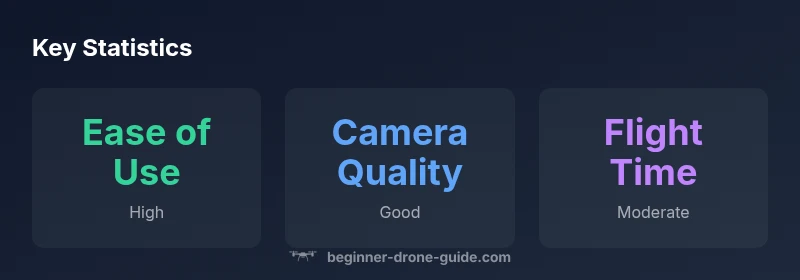
When adults evaluate drones, several core features consistently shape satisfaction. Stability and wind resistance determine how easy it is to capture clean footage; obstacle avoidance and fail-safe options reduce risk during training days. Camera quality matters for hobbyists who document trips, while flight time and charging speed influence how often you fly between stops. A robust companion app with reliable telemetry, waypoint capabilities, and easy media transfer also enhances the experience. Finally, build quality and service support determine long-term value—brand warranty, parts availability, and repair options matter especially if you’re learning.
Flight experience vs. image quality: what to prioritize
The trade-off between flight experience and image quality often guides decisions. If you primarily want to practice flying and practice new maneuvers, prioritize tilt-control feel, gimbal stabilization, and predictable response to a wide range of speeds. For photography-focused use, ensure a capable camera, good dynamic range, and adjustable exposure; but don’t neglect flight stability—smooth motion makes shots easier. Many adults find a sweet spot with mid-range drones that offer solid stabilization and a usable camera without the complexity of pro rigs. Simulated practice and protective modes can ease the learning curve.
Safety and training considerations
Safety comes first for adult pilots. Start in an open area away from people and obstacles, and enable beginners modes when available. Always perform pre-flight checks: battery integrity, propeller condition, GPS lock, and firmware updates. Learn to use geofencing and return-to-home correctly, and keep firmware up to date to patch vulnerabilities. Consider enrolling in local safety classes or online tutorials to build competent flight habits before attempting advanced maneuvers. Remember that regulatory requirements vary by region, so stay informed about licensing, registration, and no-fly zones.
Budget ranges and value: what you get at each level
Drones span a broad price spectrum, and adults should map budget to intended use. Entry-level models emphasize ease of use, basic cameras, and limited fly time, making them ideal for learning. Mid-range drones typically offer better cameras, longer flight times, and more features like active tracking and obstacle sensing, representing the best value for most learners. High-end drones push image quality and speed, but require more expertise and higher expenses for maintenance and accessories. When budgeting, also factor into kit costs such as extra batteries, spare props, and a protective case. A practical approach is to start with a capable mid-range model and upgrade later as skills grow.
Real-world testing scenarios
To ensure recommendations reflect actual usage, we test drones in varied environments: bright daylight, low light, wind, and indoor spaces with obstacles. We measure hover stability, response time, and autofocus behavior while shooting video. We also assess app reliability, transfer speeds, and battery management during extended sessions. Real-world testing stretches the drone's capabilities and helps identify long-term durability concerns, such as propeller wear and motor heat. The final verdict accounts for how a model performs in these scenarios, not just spec sheets.
Authority sources
- FAA UAS information and safety guidelines: https://www.faa.gov/uas/
- EU aviation safety agency drone regulations: https://www.easa.europa.eu/domains/civil-drones-rpas
- Major technology publication coverage: https://www.nytimes.com/section/technology
Benefits
- Balanced approach that suits beginners and returning pilots
- Clear safety features and robust learning modes
- Strong app reliability and real-world testing coverage
- Good long-term value with sensible upgrade paths
Weaknesses
- Mid-range models might still feel limited for advanced photographers
- High-end gear increases maintenance complexity and cost
- Regulatory requirements vary; licensing adds planning time
Best overall value for most adult buyers in 2026
The Beginner Drone Guide team recommends adopting a balanced mid-range approach for the majority of adult buyers. This option provides safe learning curves, solid image quality, and strong upgrade paths.
Frequently Asked Questions
What is the best drone for a beginner adult?
For adults starting out, choose a drone with beginner modes, GPS stabilization, and a straightforward app. Look for reliable returns-to-home and active safety features. This combination makes learning safer and more enjoyable.
For adults just starting out, pick a drone with beginner modes and stable GPS, plus easy controls and safety features to help you learn safely.
Do I need a license to fly a drone?
Licensing and registration vary by country. In the United States, you should follow local FAA rules for hobby and commercial use and register where required. Always check your region’s regulations before flying.
Laws vary by country. In many places, you must follow local drone rules and register if required before flying.
What features are worth paying for in 2026?
Prioritize stability, easy calibration, obstacle sensing, camera performance, and a dependable app. Balance these with flight time and total cost to maximize value for your needs.
If you’re buying now, look for solid stability, good camera, and a reliable app to get the most bang for your buck.
Are adult-targeted drones different from kid models?
Yes. Adult-focused drones typically offer better build quality, stronger safety features, more powerful cameras, and longer flight times. They’re designed for learning and responsible flying, not just basic play.
Adults usually get stronger builds, better cameras, and longer flight times than kid-focused models.
How long do drones fly on a charge?
Flight time varies by model and conditions. Expect mid-range drones to offer a practical balance between flight duration and performance, with real-world use often shorter than ideal specs.
Flight time depends on the drone and conditions; plan for practical flights shorter than the spec.
What safety practices should adults follow?
Always fly in open spaces, use beginner modes, check weather, and keep firmware up to date. Respect no-fly zones and local regulations, and train gradually to build confidence.
Fly in open space, start with beginner modes, and keep up with safety rules and updates.
Quick Summary
- Prioritize safety features and ease of use
- Consider mid-range drones for best value
- Account for training and regulatory requirements
- Invest in batteries and protective gear
- Test in open spaces before advancing