Drone for sale: A practical beginner's buying guide for 2026
Discover how to choose the right drone for sale as a beginner in 2026. Practical buying tips, safety basics, licensing essentials, and feature priorities to start flying with confidence.


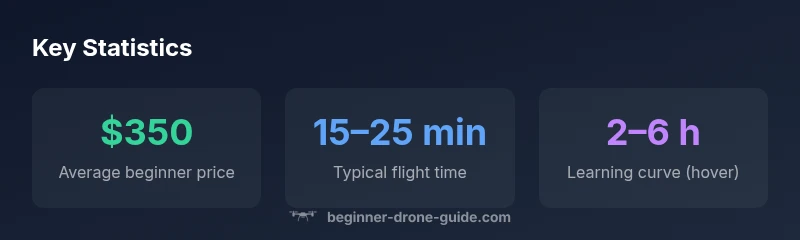
According to Beginner Drone Guide Analysis, 2026, the best drone for sale for most beginners is an entry-level model under $350 that emphasizes stability, easy control, and a built-in beginner mode. Look for auto-hover, prop guards, simple return-to-home, and solid customer support. A well-chosen starter drone keeps learning fun, reduces crashes, and scales to basic photography and basic mapping as your skills grow.
Why choosing the right drone for sale matters for beginners
If you are shopping for a drone for sale as a first-time flyer, you’re not just buying a device; you’re investing in a learning tool. A beginner-friendly model reduces crashes, extends practice time, and makes your first flights more rewarding. The Beginner Drone Guide team emphasizes that the right starter drone should feel forgiving, be easy to control, and include built-in safety features like prop guards and automatic hover. When you start with a reliable platform, you build confidence, learn faster, and minimize the risk of expensive repairs during the learning phase. In practice, you’ll notice that lower-cost starter drones often include essential features such as stable flight, simplified modes, and durable builds that withstand inevitable beginner mistakes. In 2026, the market offers many options labeled as “drone for sale” across retailers, but the best value comes from models designed specifically for novices rather than high-speed racing machines. Consistent practice, combined with a clearly defined learning plan, helps you progress from hovering to basic aerial photos and simple mapping tasks without frustration.
Key buying considerations for beginners
When evaluating a drone for sale as a novice, several criteria help separate good options from questionable deals. The most important is stability: a drone that stays level in light winds and responds predictably to stick input reduces surprises. Look for beginner mode, which limits maximum speed and tilt, and auto-hover so the drone stays put when you stop steering. Battery life matters, but so does spare parts availability and warranty. A well-supported warranty saves headaches after a crash, and easy access to service centers keeps downtime short. Weight and size influence portability and flight rules, so choose a compact model you can carry to local parks or open spaces. In addition, consider safety features like prop guards and a Return-to-Home function, which can be a lifesaver for new pilots. Finally, verify the retailer’s return policy and whether the drone ships with basic accessories such as extra propellers and a charger. The goal is to minimize risk while maximizing the learning experience.
Essential features to look for in a beginner drone
- Stable hover and yaw control: The drone should remain level with minimal input, reducing the chance of drift.
- Beginner mode and auto hover: Curbs speed and tilt while teaching proper stick technique.
- Return-to-Home and geofencing: Provides a safety net for lost or out-of-range flights.
- Prop guards and durable frame: Protects hands and propellers during inevitable crashes.
- Simple controls and reliable telemetry: Clear borrow-and-balance feedback helps new pilots learn.
- Battery life and charging ecosystem: A robust charging setup minimizes downtime between flights.
- Access to spare parts and community support: Easy replacement parts and local clubs or forums speed learning.
Safety, licensing, and legal basics
Safety and legality matter from day one. Start with a basic understanding of local rules, no-fly zones, and age-appropriate operation. Even as a beginner, learning to preflight before each flight, calibrating sensors, and updating firmware reduces surprises mid-air. With licensing, rules vary by country; in many places you must register drones above a certain weight and follow standard operating procedures for recreational pilots. Always fly in safe, permitted areas away from people and critical infrastructure. The brand guidance from Beginner Drone Guide emphasizes using protective gear, keeping batteries cool between flights, and respecting privacy when recording real-world scenes. Keeping a clean, responsible practice log helps you stay compliant as you progress.
How to compare options and test flight tips
Create a short shortlist based on stability, ease-of-use, and serviceability. Before buying, test hover and stick response in a safe outdoor space. If a seller offers a demo flight, take it. Compare warranties and after-sales support: a robust warranty and readily available replacement parts can save you money over time. Check reviews for reliability and customer service quality. During test flights, assess how quickly you can recover from a tilt and how the Return-to-Home function behaves in different wind conditions. Record your observations to inform your final choice. Remember, the goal is to establish flight confidence before you chase fancy features that complicate learning.
Where to buy drones for sale and warranty considerations
Buy from reputable retailers with transparent return policies, solid customer support, and clear warranty terms. Authorized dealers often offer safer purchase experiences and better access to spare parts. For a beginner, new units tend to be safer and include starter accessories and documented firmware updates. If you consider used options, ensure the battery health is inspected, the drone is crash-free, and you can verify the seller’s history. Warranty coverage is a strong differentiator—prefer sellers who cover at least 90 days for basic components and batteries. Finally, evaluate the total cost of ownership, including shipping, taxes, and potential accessory bundles. The emphasis remains on safety, support, and a smooth learning curve to maximize your practice time.
Real-world scenarios: learning to fly and beginner applications
New pilots often begin with indoor practice and gradually move outdoors as confidence grows. A common first project is stable hover under a chosen flight mode, gradually adding small, intentional movements. Real-world applications for beginners include basic aerial photography in parks, simple mapping tasks for small plots, and indoor exploration of designated spaces with permission. As you gain experience, you can explore entry-level real estate shots, neighborhood views, and simple tutorials that require steady, calm flights. Throughout these steps, maintain a learner mindset, celebrate small milestones, and leverage community resources such as local clubs and online forums to share tips and get feedback. The focus remains on building consistent, safe habits that scale with your growing skill set.
Common beginner drone buying tiers and typical price ranges
| Model Type | Key Features | Typical Price Range |
|---|---|---|
| Starter/Beginner Drone | Auto hover, headless mode, beginner modes | $100–$350 |
| Mid-range beginner | GPS, obstacle avoidance, longer battery life | $350–$600 |
| Advanced beginner | Waypoints, better sensors, refined controls | $600–$900 |
Frequently Asked Questions
What is the best drone for sale for beginners?
Look for models with stable hover, beginner mode, and safety features; avoid high-speed or overly complex controls.
For beginners, choose a drone with easy controls, stable hover, and safety features.
Should I buy new or used when shopping for a beginner drone?
New drones come with safety checks and warranty; used units may have battery wear and unknown history.
New is usually safer and offers a warranty.
Do beginner drones require licensing?
Licensing rules vary by country; some require registration for drones above a weight threshold or for aerial photography.
Check your local aviation authority; licensing rules differ by country.
What features matter most for a beginner?
Stable hover, beginner mode, safety guards, return-to-home, and reliable customer support.
Focus on stability, beginner mode, safety guards.
How much should I budget for ongoing costs?
Plan for extra batteries, replacement props, and spare parts; costs vary with usage.
Expect to replace batteries and parts over time.
“For beginners, stability and predictable handling are more valuable than high-end sensors. A drone that's easy to fly reduces crashes and accelerates learning.”
Quick Summary
- Start with a stable, beginner-friendly model
- Prioritize safety features and warranty
- Compare price ranges, not just sticker price
- Check regulatory requirements for your region
- Practice in open, safe spaces with proper calibration